
Other Work
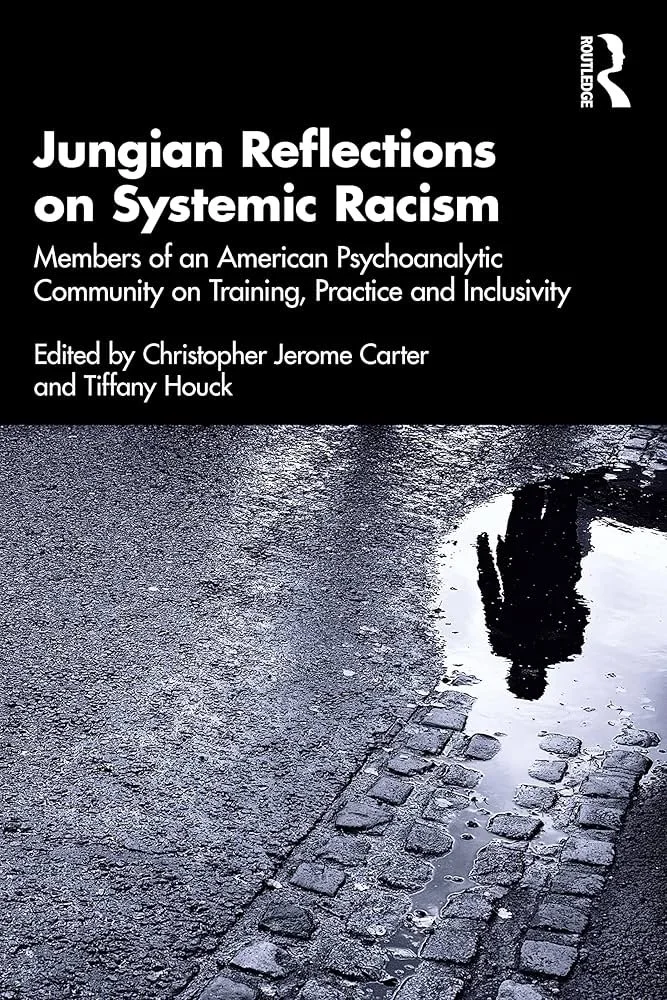
“On Failings”
Jung formed radicalized projections during his 1925 safari in Africa. The failure to recollect those at the time was personal, cultural, and unavoidably mythic. It is left to successive generations to take on the dirty work of mourning and mortification— indispensable ingredients for collective progress.
“The Imp in the iPhone”
A clinical vignette illustrating how a transgressive unconscious communication — when a patient suddenly photographed his analyst — can be understood as operating through the collective unconscious.
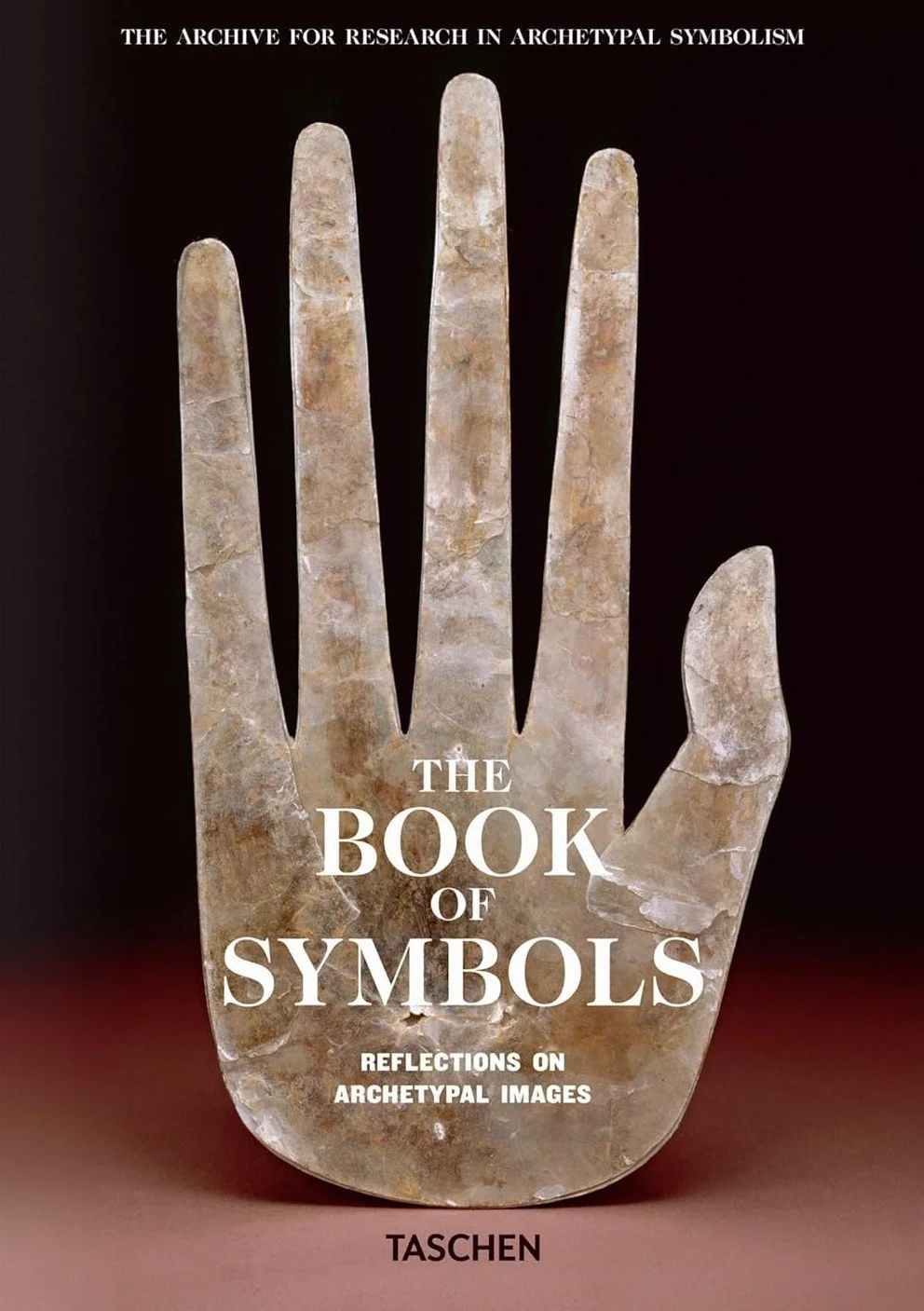
The Book of Symbols
A main contributing author to this landmark 807-page illustrated encyclopedia of archetypal symbols, drawing on mythology, art, religion, and depth psychology from cultures across the world and throughout history.
“The Creative Psyche: Jung’s Major Contributions”
This chapter in The Cambridge Companion to Jung surveys Jung's major theoretical and clinical contributions — from the collective unconscious and archetypes to active imagination and the Self — and argues that his vision of a creative psyche remains prescient and clinically vital today.
“Some Thoughts on TrumpWorld, Tricksters, and the Artifice of Persona”
Explores the con-man persona in American life and how it turns from enlivening to terrorizing.
"Peregrinations of Active Imagination: The Elusive Quintessence in Postmodern Motion"
An exploration of active imagination — its alchemical origins, its postmodern possibilities, and a clinical taxonomy of its risks and gifts as both poison and panacea in contemporary psychoanalytic practice.

“True Imagination”
Distinguishes between the fantasies spun into repetition by complexes and the reality of the psyche’s archetypal trajectories that open new riverbeds for the flow of emotional life.

“Blood Payments”
Drawing on the Greek Furies, 9/11, a case vignette, and the archetypal psychology of blood debt, this article explores how betrayal and wounding at the level of primal kinship must be suffered through to their meaning — and how the dark fruit of that suffering can become the blood-bond of communion rather than endless vengeance.

“New Directions Home: African Oracles and Analytic Attitudes”
(Cape Town 2007) explores the similarity between oracular traditions and rituals and Western psychoanalytic practice regarding pattern recognition, amplification, loss of soul, spirits/ancestral memory, ‘possession,’ fate, healing, intersubjectivity, synchronicity.
“Beyond the Margins: From Projective Identification to Active Imagination – the Question of Technique in Analytical Psychology” (Barcelona 2004)
Examines how the Jungian technique works outside the boundaries of ego identity.
“Amor Fati and the Wisdom of Psychological Creativity”
Explores how ‘amor fati’ — the love and acceptance of what is, including limitation and suffering — is the foundation of genuine psychological growth.
“Dissociation and the Self in the Magical pre-Oedipal Field”
Drawing on neurobiology, narrative theory, and depth psychology's occult origins, this article proposes an understanding of Self that is present even in pre-Oedipal dynamics like dissociation and projective identification—understood as mythopoetic expressions of new psychological ground.
PDF available upon request

“Poisons and Panaceas in Analytic Training”
A discussion of the perils and pleasures of failing and succeeding to ‘grasp’ psychological and emotional processes.
“The Horned God: Masculine Dynamics of Power and Soul”
An exploration of the Horned God of Celtic myth — guardian, healer, and shapeshifter — as an archetypal image of sacred masculine power that counters the traditional heroic model of psychological development.
PDF available upon request